Aging
Aging is not a mistake in the design. It is what a long-lived animal does if luck and care hold. The skin tells time. So do the eyes, the ears, the joints, and the list of names at a funeral. This page is about that telling, without a cream, a protocol, or a threat.
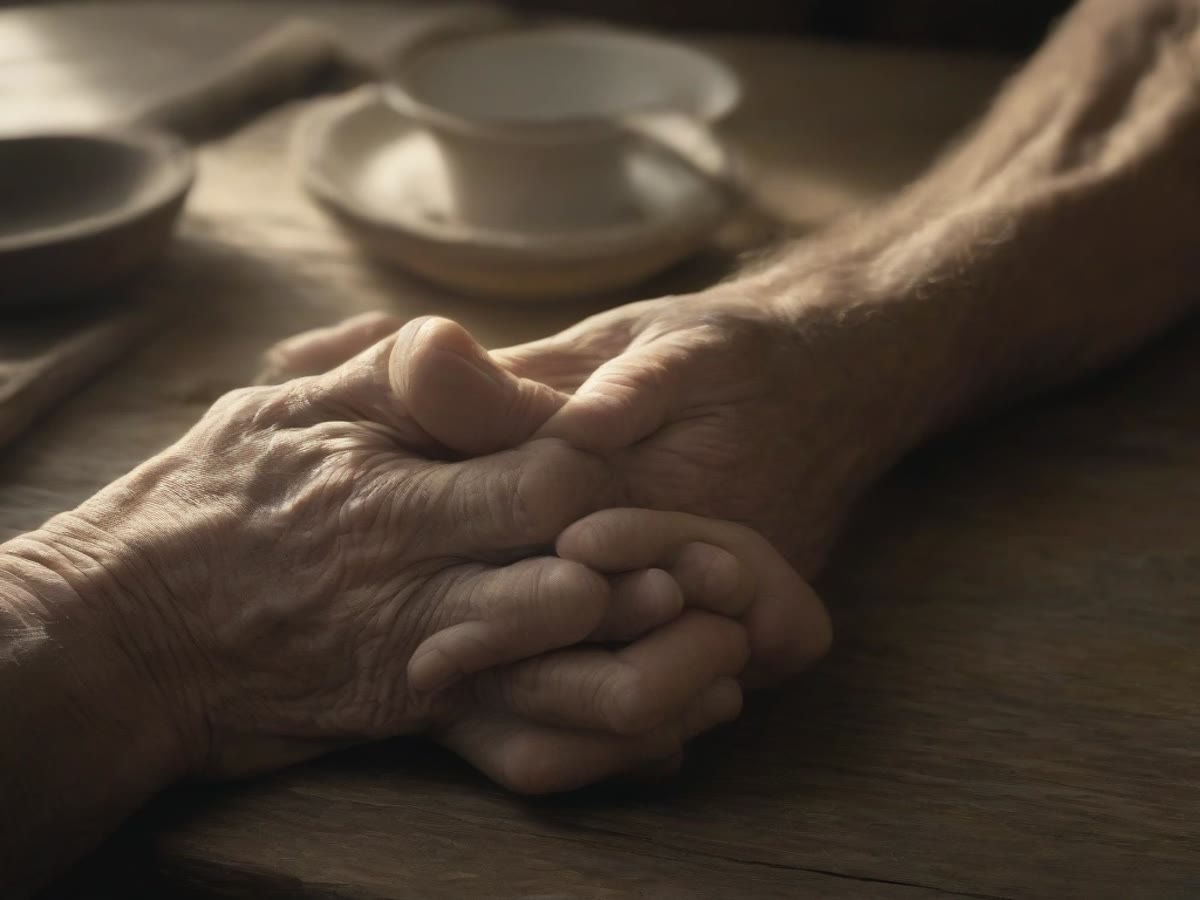
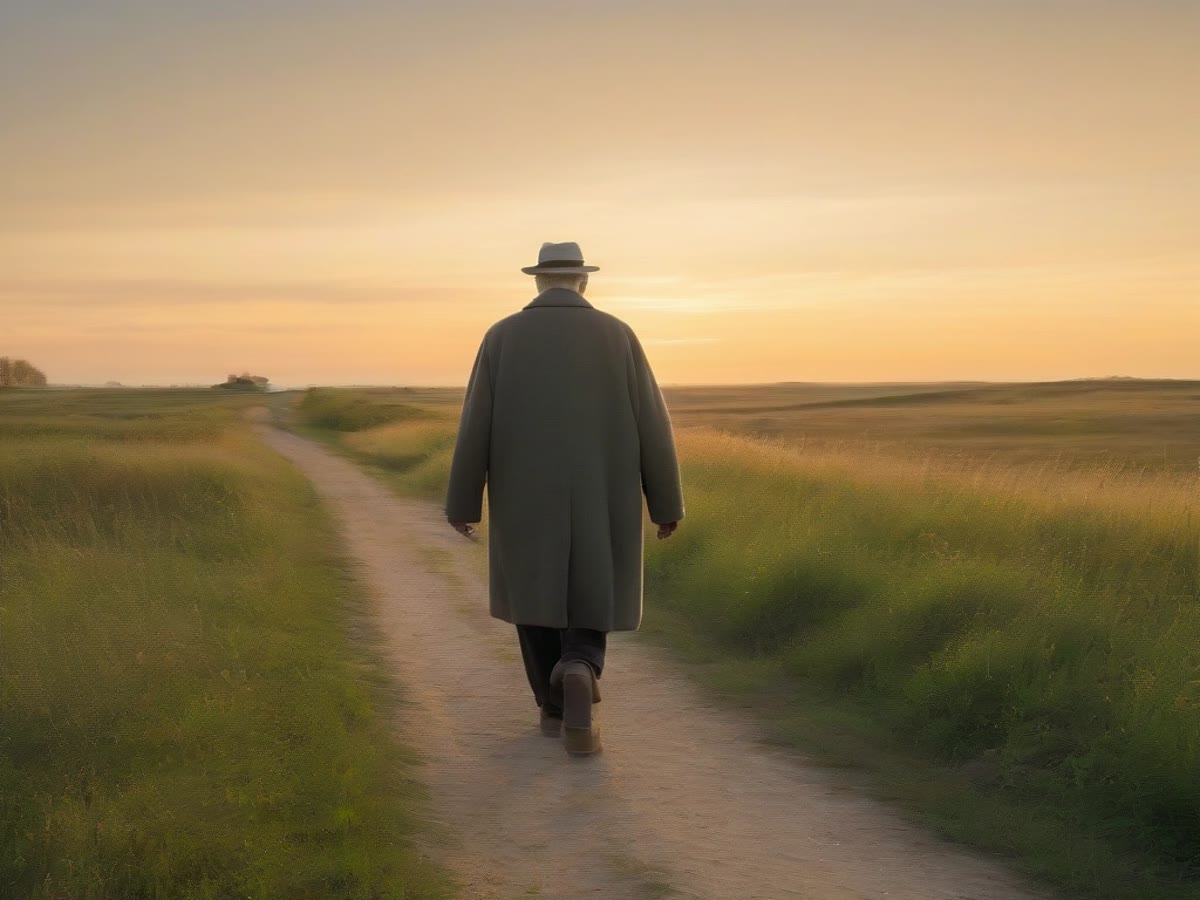
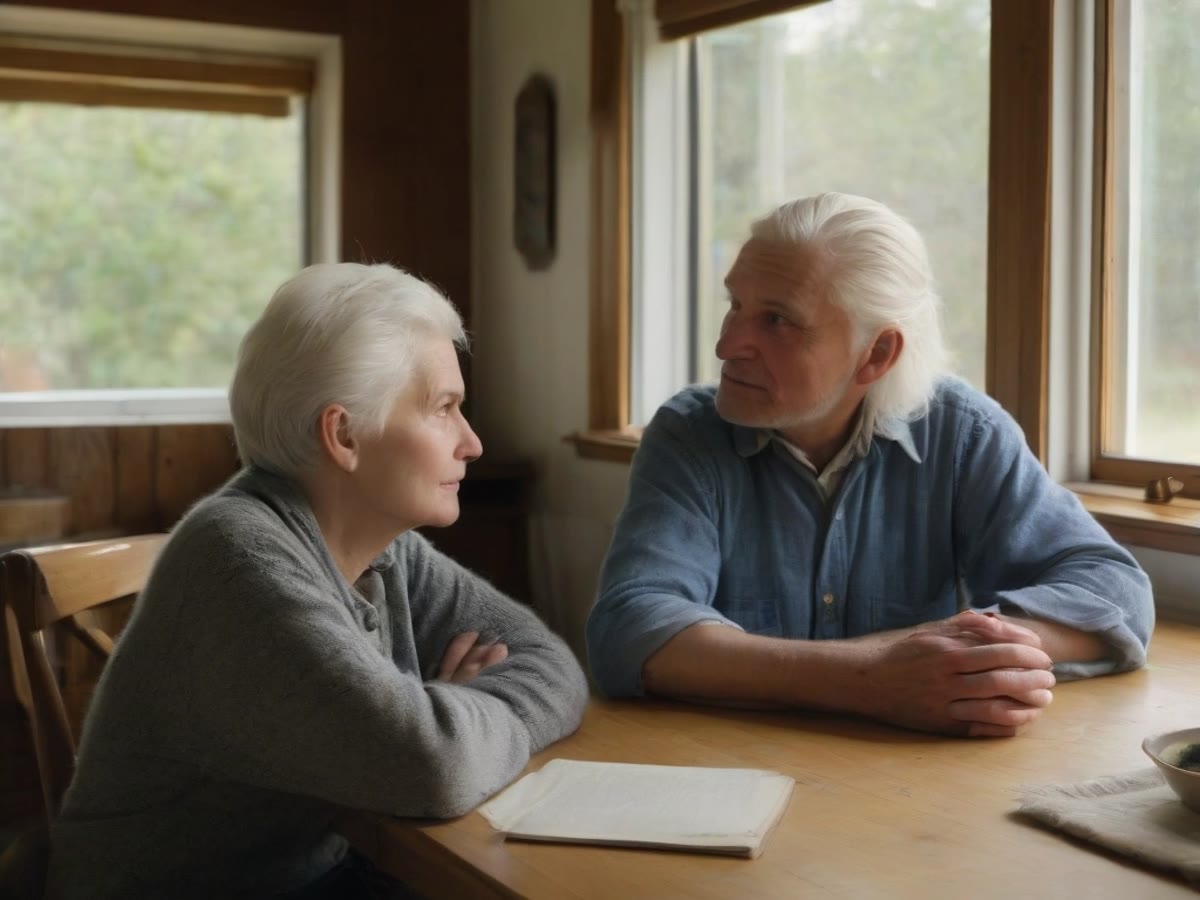
From the first year of life, cells divide, tissues remodel, and the person you are is slowly replaced by a person who remembers the earlier one. Children grow. Adults maintain. Older adults, on average, repair more slowly and with a little less reserve. Reserve is the extra capacity you do not notice until a hard season, a pneumonia, a fall, or a grief. A young body often has spare heart, spare kidney, spare muscle. An older body may still do the day’s work and have less spare. That is why the same flu can be a week on the couch at thirty and a hospital at eighty. It is not a moral difference.
What commonly changes
Hair greys or thins. Skin thins and bruises more easily. Lenses of the eyes stiffen, and many people need reading glasses, a small tax on a life spent looking at weather and print. Hearing, especially of voices in a noisy hall, often fades; that fade can look like confusion when it is really a missing consonant. Muscle mass tends to decline if it is not asked to work. Bone thins, more so after menopause, more so with smoking and thin living. Arteries tend to stiffen. The clock of sleep may shift earlier. Recovery from a heavy day takes longer.
None of these sentences is a sentence on your particular body. People vary. A seventy-year-old who has walked, slept, and kept company can outwork a fifty-year-old who has not. Genes play a part you cannot bargain with. So does chance. So does a childhood with enough food, or not. Aging is not a single slope.
The difference between aging and illness
Stiffness in the morning that eases as you move is common. A joint that swells hot and red is not “just age.” Forgetting where you put the keys is common. Forgetting what keys are for is not. Getting a little winded on a stair you used to take two at a time is common. Chest pressure with that stair is not. The phrase “you are just getting older” has hidden both wisdom and neglect. Wisdom says: do not panic at every change. Neglect says: do not bother looking. You deserve a clinician who can tell the difference.
What actually helps, in modest claims
Movement keeps reserve. Walking, carrying, balancing, and using the voice and the mind are the old tools. Protein at meals helps the muscle you still have answer to that movement. Sleep still mends. Smoking shortens several of the stories above; stopping, even late, still helps some of them. Blood pressure, blood sugar, and hearing aids are not glamorous. They are how people stay in the conversation. Isolation ages a life faster than a calendar. A reason to get dressed and go out — a club, a place of worship, a café, a grandchild, a volunteer shift — is a medical fact wearing work clothes.
There is a market that sells the opposite of aging. Some of its claims will be true in a narrow way: sunscreen does spare the skin; strength training does spare muscle. Many of its claims are hope in a bottle. The learning page is there for that reason. A long life is also luck, and luck cannot be purchased. What can be chosen is how we treat the years we get: with curiosity, with care of the body we actually have, and with less contempt for the face in the mirror.
The last chapters
Aging, if it continues, includes dying. That is not a threat. It is the frame that makes a life finite and therefore precious. People do well to say, while they can, what kind of help they would want if they could not speak, who should speak for them, and where the papers are. That is legal and medical planning, and this site is not your lawyer or your doctor. It is only a reminder that those talks belong around a table before a crisis, not after.
Caring for an older person is also a human skill. It includes patience with a story told twice, floors cleared of trip points, medicines reviewed so that one pill is not fighting another, and rest for the carer. Distance from clinics makes this harder. Neighbours, home care, and a clinician who knows the family are part of the design. You cannot do it all from a website, and you should not try.
On the map, aging is the far corner: the same figure, later. The work of the earlier topics — food, sleep, movement, company — does not stop being true. It becomes more true, because reserve is thinner and the days are not endless. That is not doom. That is a reason to take a walk while the light is good, and to sit with someone when the light is not.